Pomme de Popotan
ポム デ ポポタン
新しいがま口のはじまり®
名前の由来
The Name
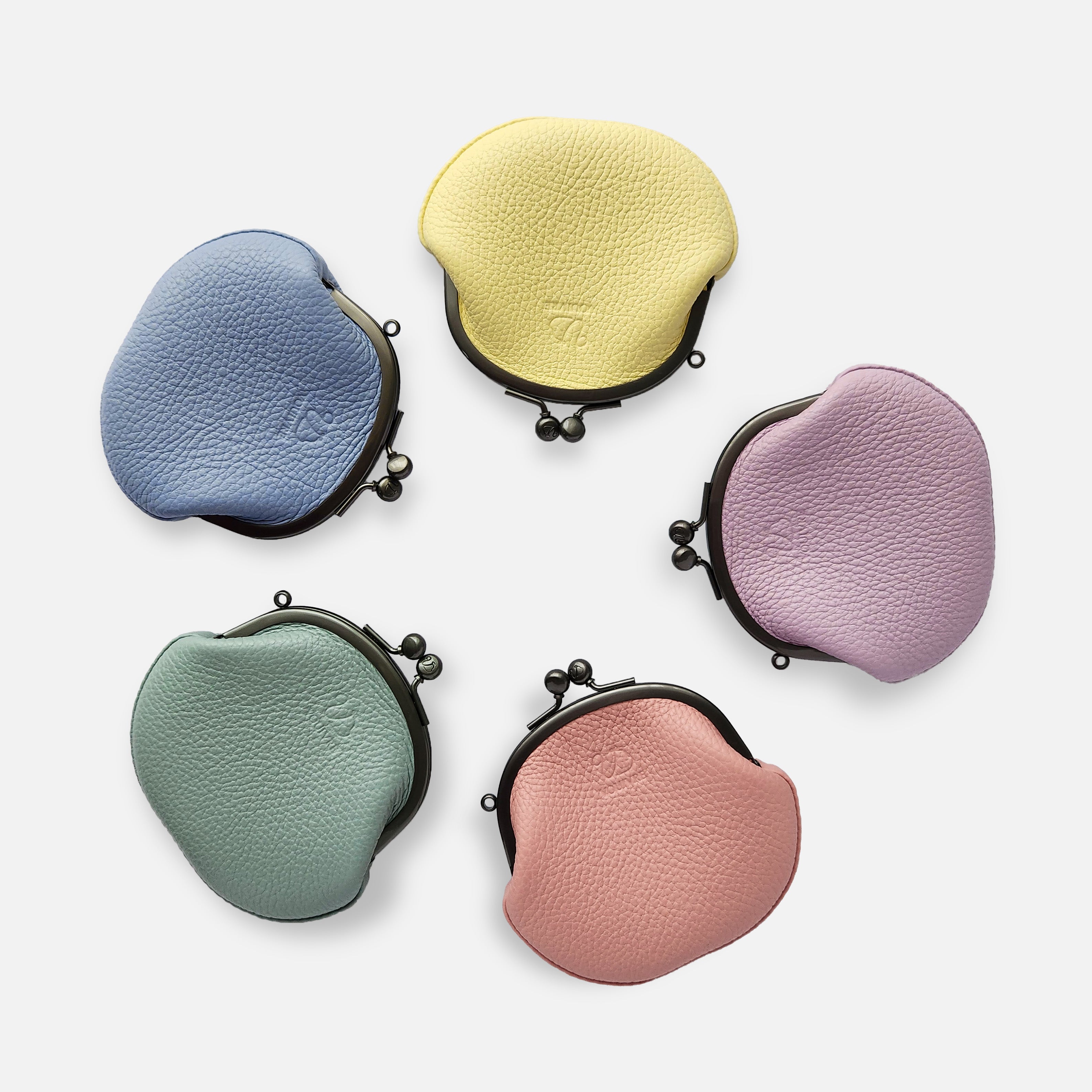
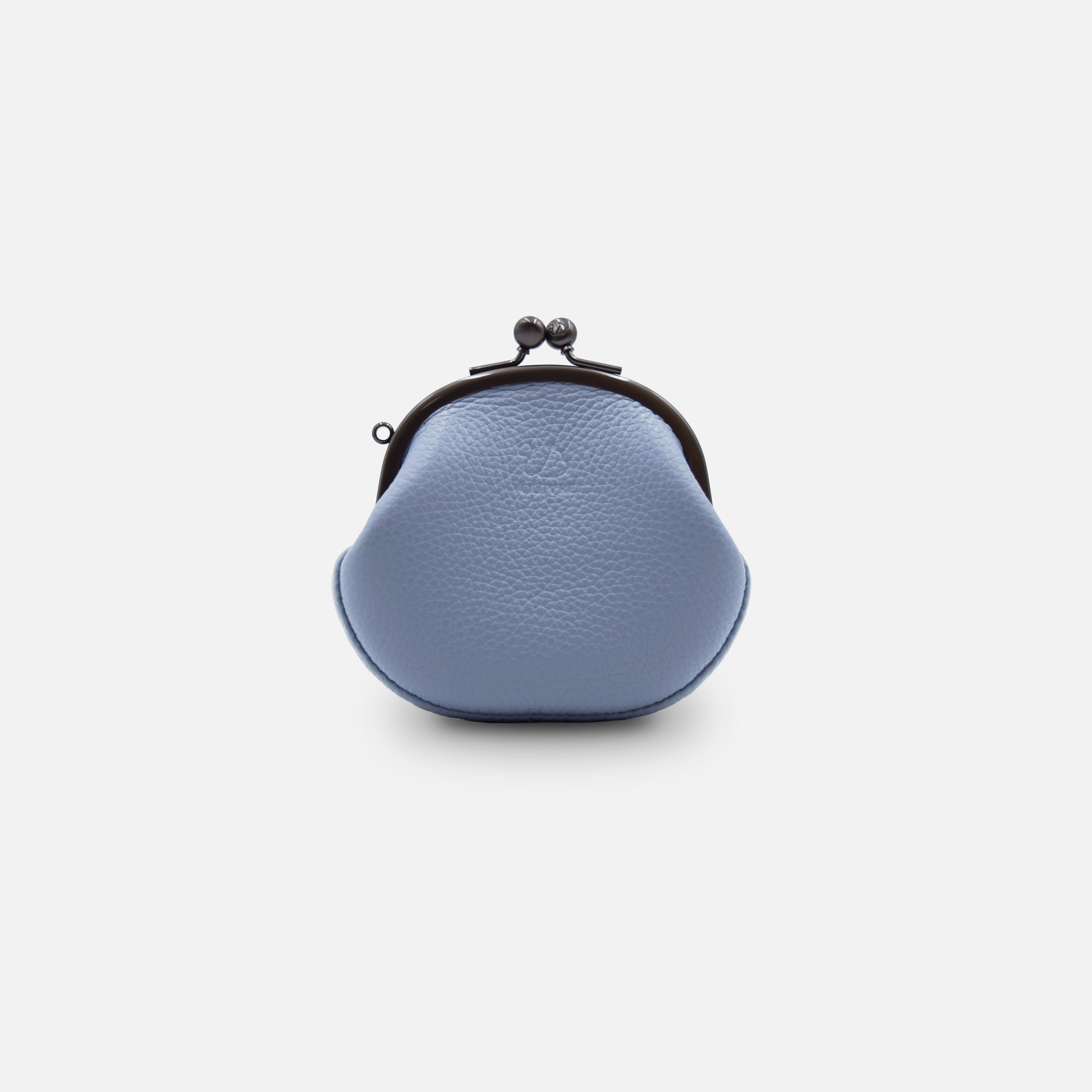
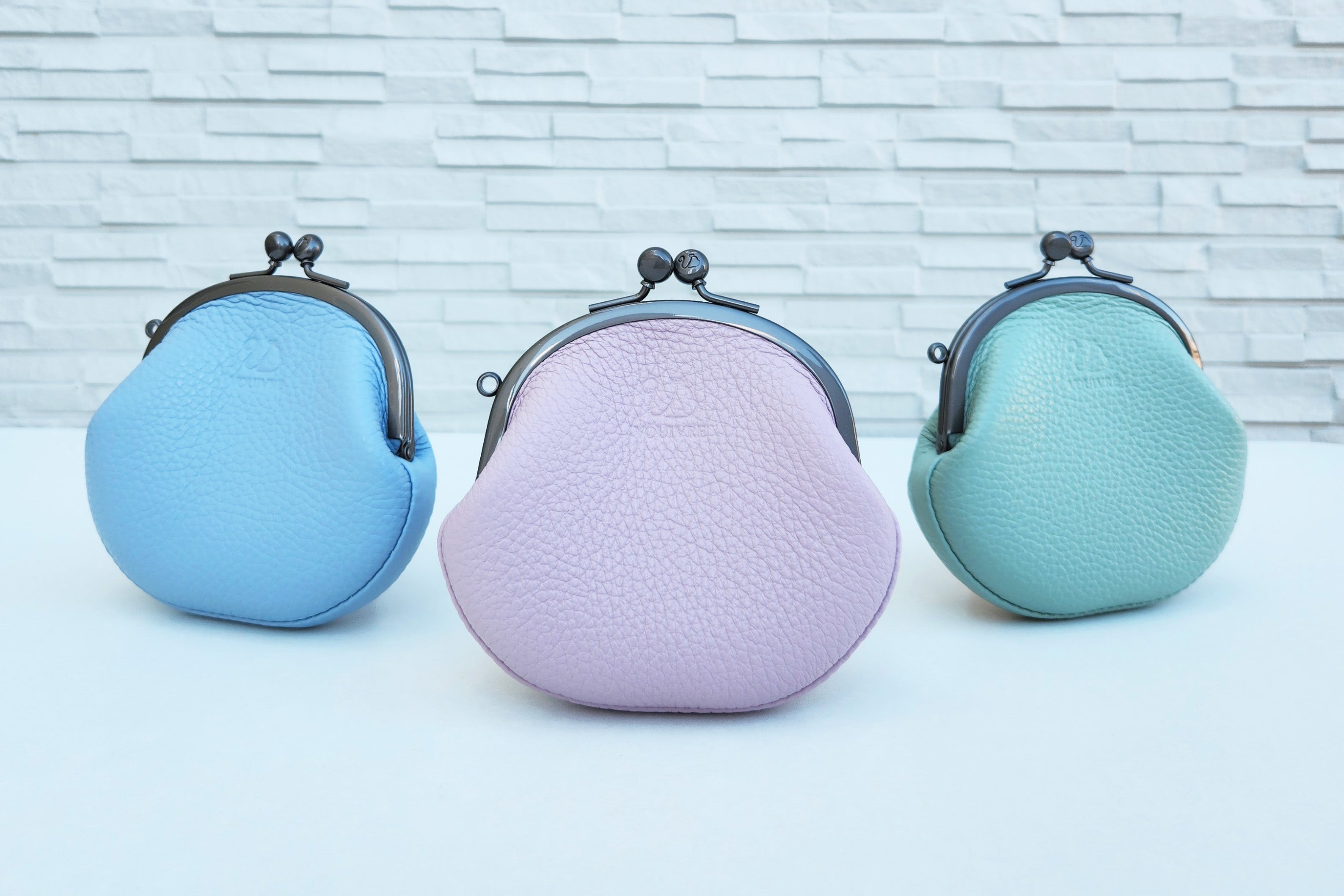
Like an apple, or a baby’s bottom —
the name was given for its endearing, beautiful silhouette.
夢の中で見たがま口
The gamaguchi I saw in a dream
While I was working on Pomme de Popotan, I was drafting and making in my dreams as well.
Then one night, I dreamt I was somewhere like a museum.
Many works hung framed on the walls, and on the plinths, gamaguchi stood one by one. Among them was a gamaguchi with my own name given as its maker.
Nearby lay a book holding all of the works.
Turning the pages, I came to the gamaguchi. And there, at the very front, was mine.
I could see the others too, yet it was my own that drew me in.
When I woke, I set my mind on bringing that gamaguchi into the world, and kept on drafting.
The paper I used, stacked together, stood more than seventy centimetres high.
“Today, it would be better made this way.”
The thought came to me quietly. I made it that way — and at last, I met the gamaguchi from my dream.
That gamaguchi is Pomme de Popotan.
特許構造
Patented Structure
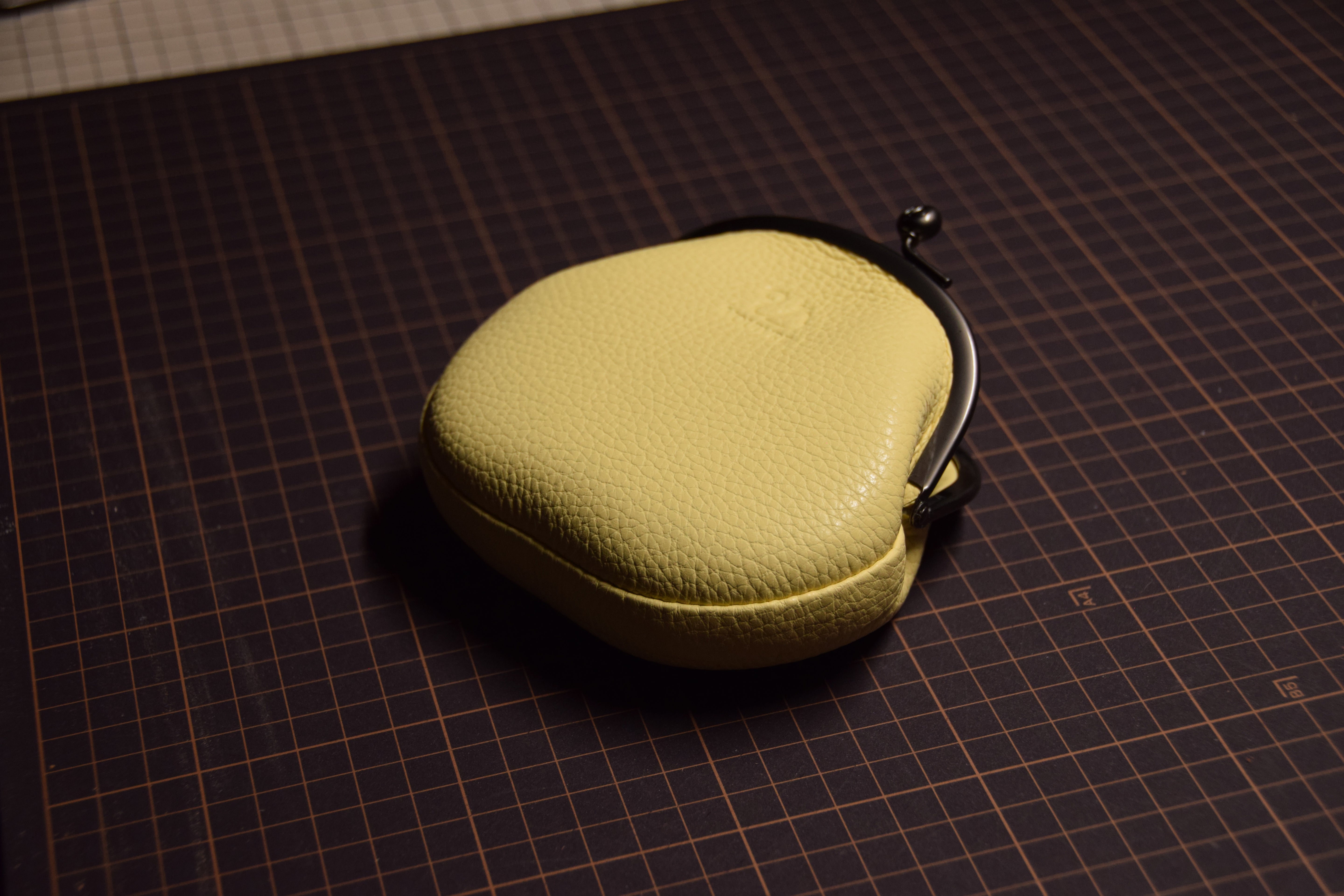
A bag-stitched leather gamaguchi inevitably leaves ridges inside.
Contents catch on them and sit out of sight — long accepted as simply how a gamaguchi is.
Through its own patented structure, Pomme de Popotan achieves a smooth interior with no ridges.
Contents are easy to see and to reach. The very feel of use, changed from the structure itself.
And a distinctive gusset keeps it from losing shape, holding its beautiful silhouette for years to come.
唯一無二の構造
One of a Kind
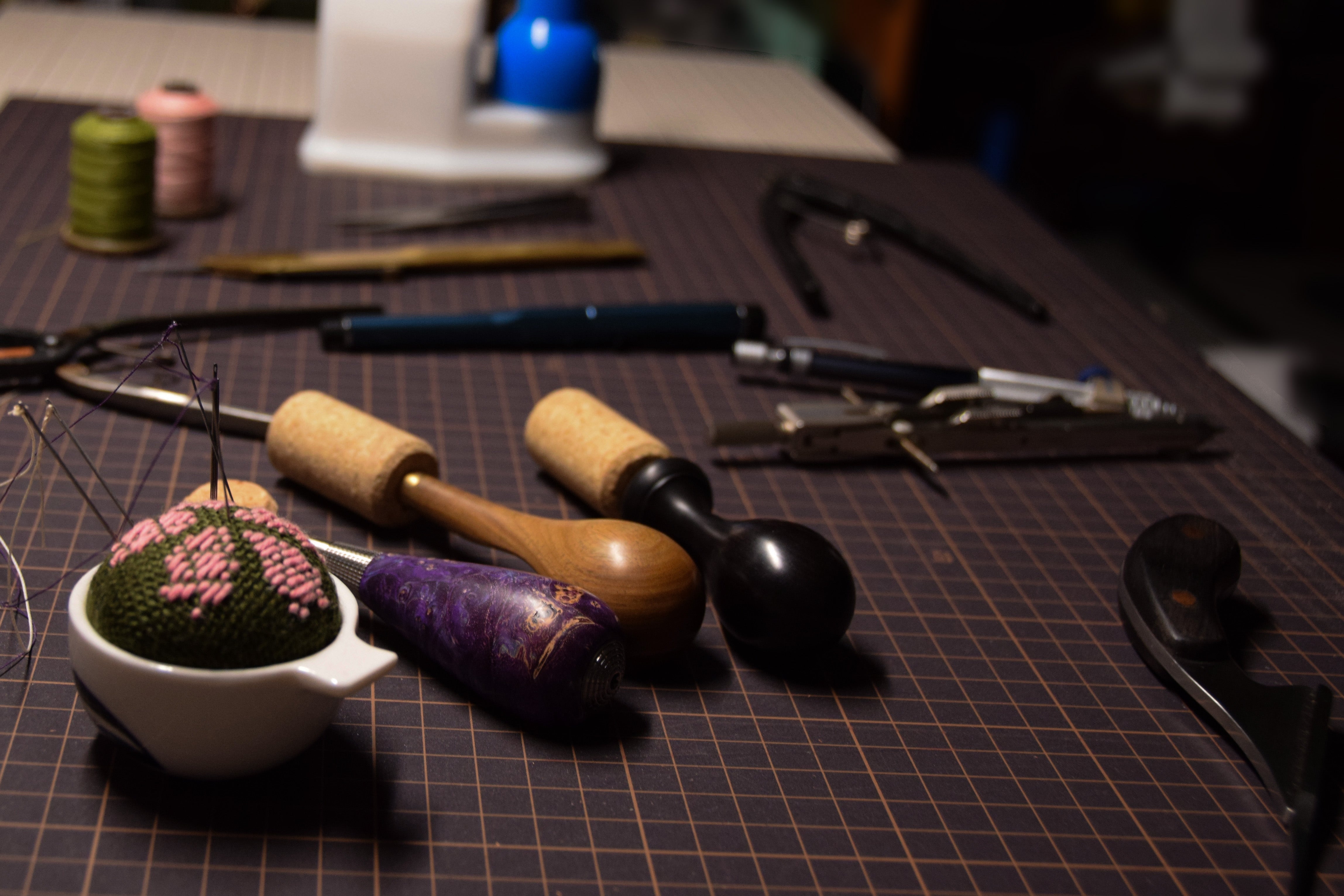
Pomme de Popotan was completed after more than two hundred prototypes. Yet that was not the end.
The drafting alone ran to more than five thousand attempts.
It could be better. It could always be better. Even after it was finished, I kept making — and the prototypes now number more than four hundred.
A structure unlike any before it, reached through countless trials. Its originality is recognised by patent rights, design rights, and three-dimensional trademark rights.
手縫い
Hand-Stitching
Pomme de Popotan can only be made by hand. There is a finish no machine can give.
The method for stitching its three-dimensional form is one I devised myself.
Those smooth, flowing curves could never have existed without it.
The way it is made, and the stitching method behind it, are not disclosed.
口金
The Clasp
The clasp makers of Japan grow fewer year by year.
And as they do, so too do the hands that can bring true beauty into being.
While clasps made overseas spread widely, VOUIVRE holds to clasps made in Japan.
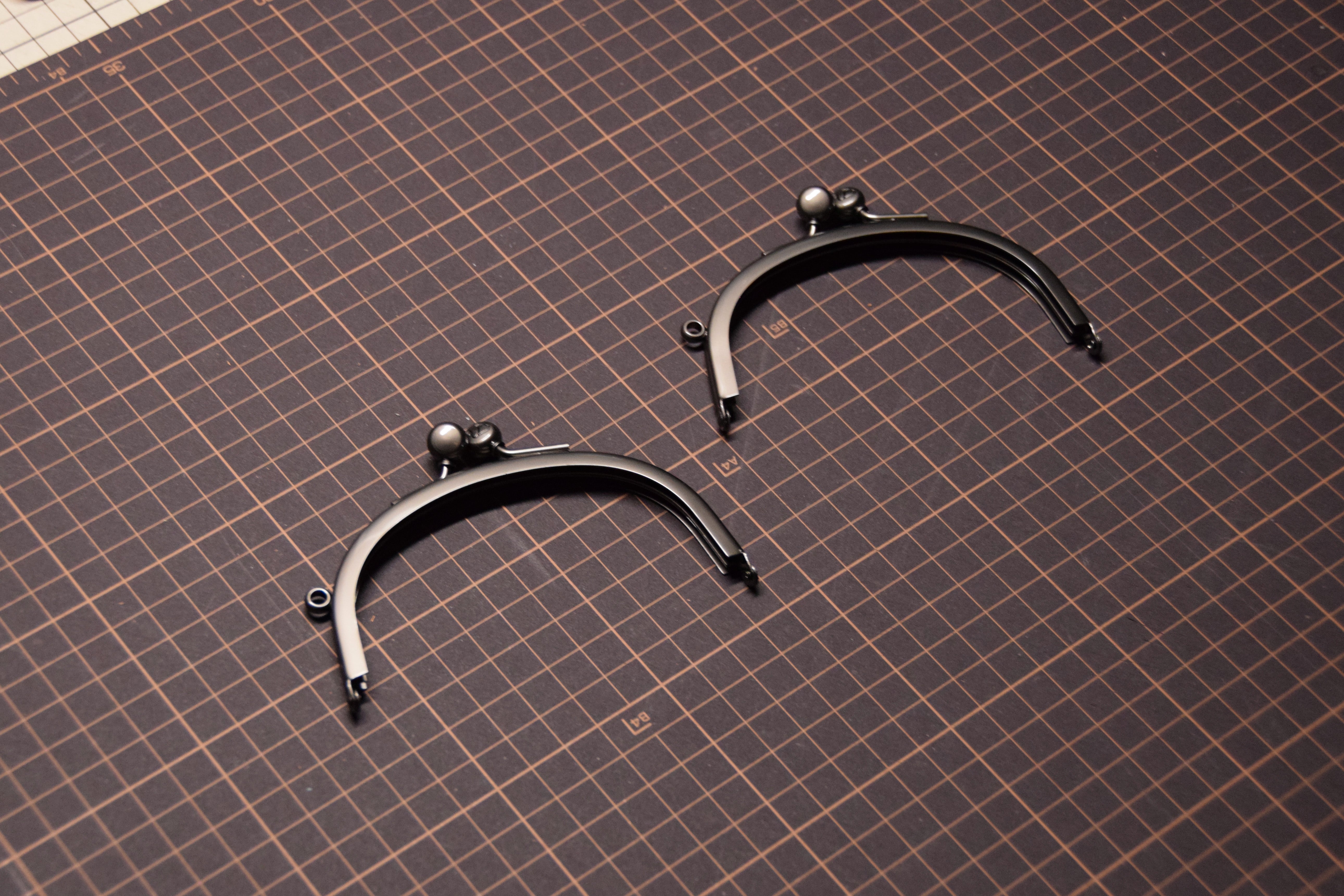
The clasp of Pomme de Popotan was made for this work alone — entirely to order.
It comes from one of Japan's finest clasp artisans, heir to generations of craft.
Through trial after trial, its shape, its knob, its engraving were built from nothing.
That comb-like form was arrived at only through the artisan's own patient trials.
The plating was entrusted to one of the country's foremost specialists.
Its rare hue came out strikingly beautiful.
Engraving the knob in such detail was no simple task.
Through patient discussion, a one-of-a-kind clasp, marked with the VOUIVRE logo, was brought to completion.
A single artist gave life to this gamaguchi.
作品一覧
Product